Short-chain PFAS – Alarming circadian disruptors?
-
About the Project
SPARK aims to assess the potential of short-chain PFAS to disrupt circadian rhythm.
Circadian rhythms orchestrate fundamental physiological processes, including sleep–wake cycles, metabolic regulation, hormone secretion, and body temperature. Disruption of circadian timing is associated with an increased risk of metabolic, neurological, and sleep-related disorders.
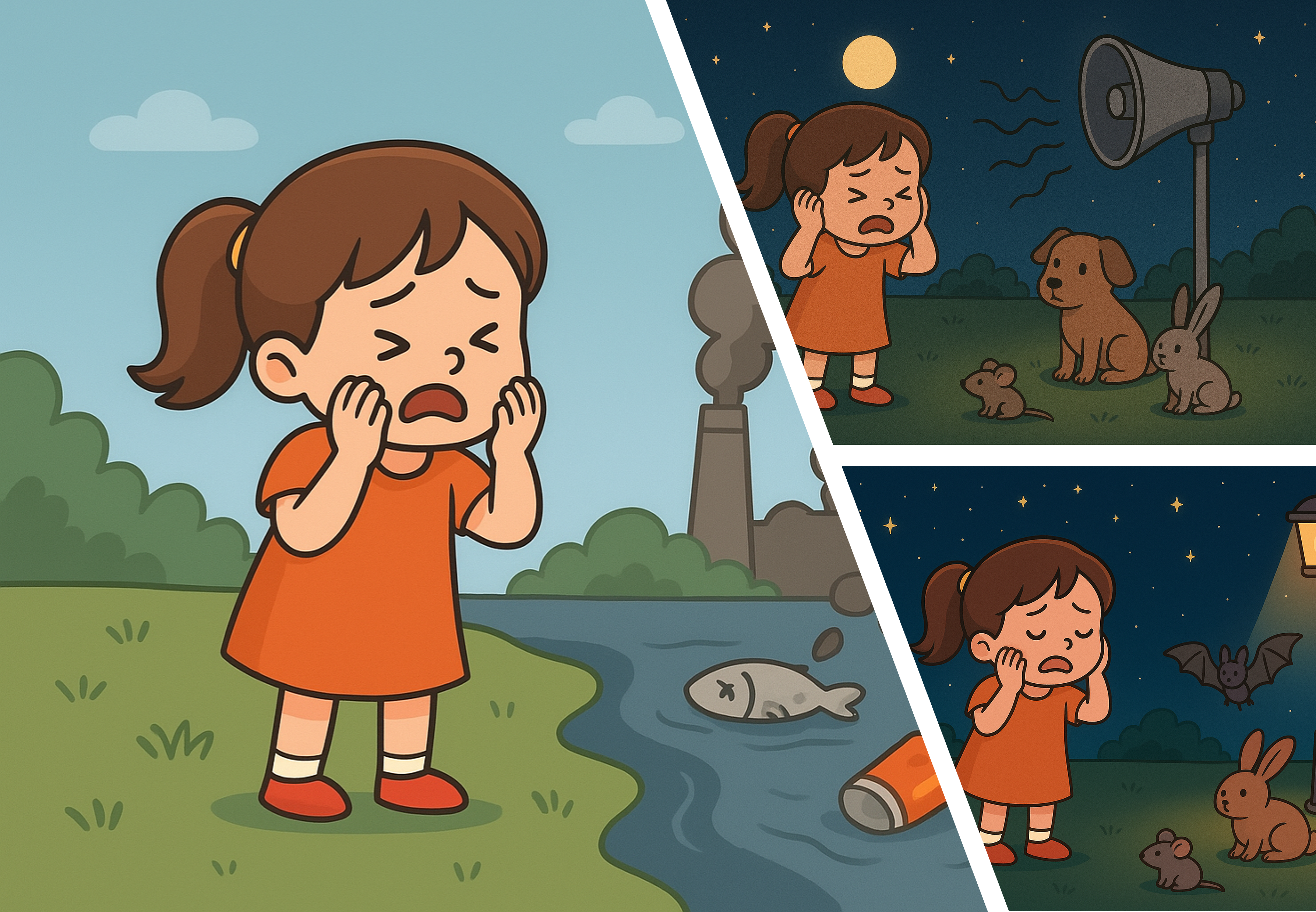
PFAS (per- and polyfluoroalkyl substances) are highly persistent environmental contaminants already detected in surface waters, ecosystems, and human blood. Although long-chain PFAS such as PFOA and PFOS are now regulated, their restriction has led to a widespread shift toward short-chain PFAS, for which toxicological knowledge remains limited. Emerging evidence suggests that these compounds may interfere with circadian regulation.
PFAS (per- and polyfluoroalkyl substances) are highly persistent environmental contaminants already detected in surface waters, ecosystems, and human blood. Although long-chain PFAS such as PFOA and PFOS are now regulated, their restriction has led to a widespread shift toward short-chain PFAS, for which toxicological knowledge remains limited. Emerging evidence suggests that these compounds may interfere with circadian regulation.
SPARK integrates expertise in circadian biology, toxicology, and environmental chemistry to investigate whether short-chain PFAS detected in Portuguese river waters can alter circadian parameters in human hypothalamic neurons.
Main Objectives
- Determine whether short-chain PFAS possess circadian-disrupting activity, assessing changes in period, phase, and amplitude in synchronized hypothalamic neurons.
- Identify molecular pathways and cellular processes affected by short-chain PFAS, including uptake, intracellular behavior, and transcriptomic alterations.
- Increase public awareness of PFAS exposure and potential health impacts through targeted dissemination and outreach activities.
Team

Principal Investigator
Ana Capitão – CNC UC
Alexandrina Ferreira Mendes 
Barbara Vicente dos Santos – CNC UC 
Angelina Lopes Simoes Pena 
Ana Cristina Rocha 
Ana Rita Álvaro 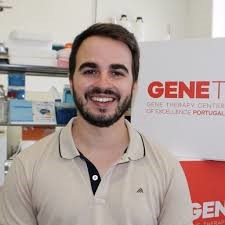
Rodrigo Filipe Nunes Ribeiro 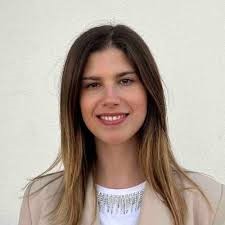
Catarina Carvalhas de Almeida
Outputs
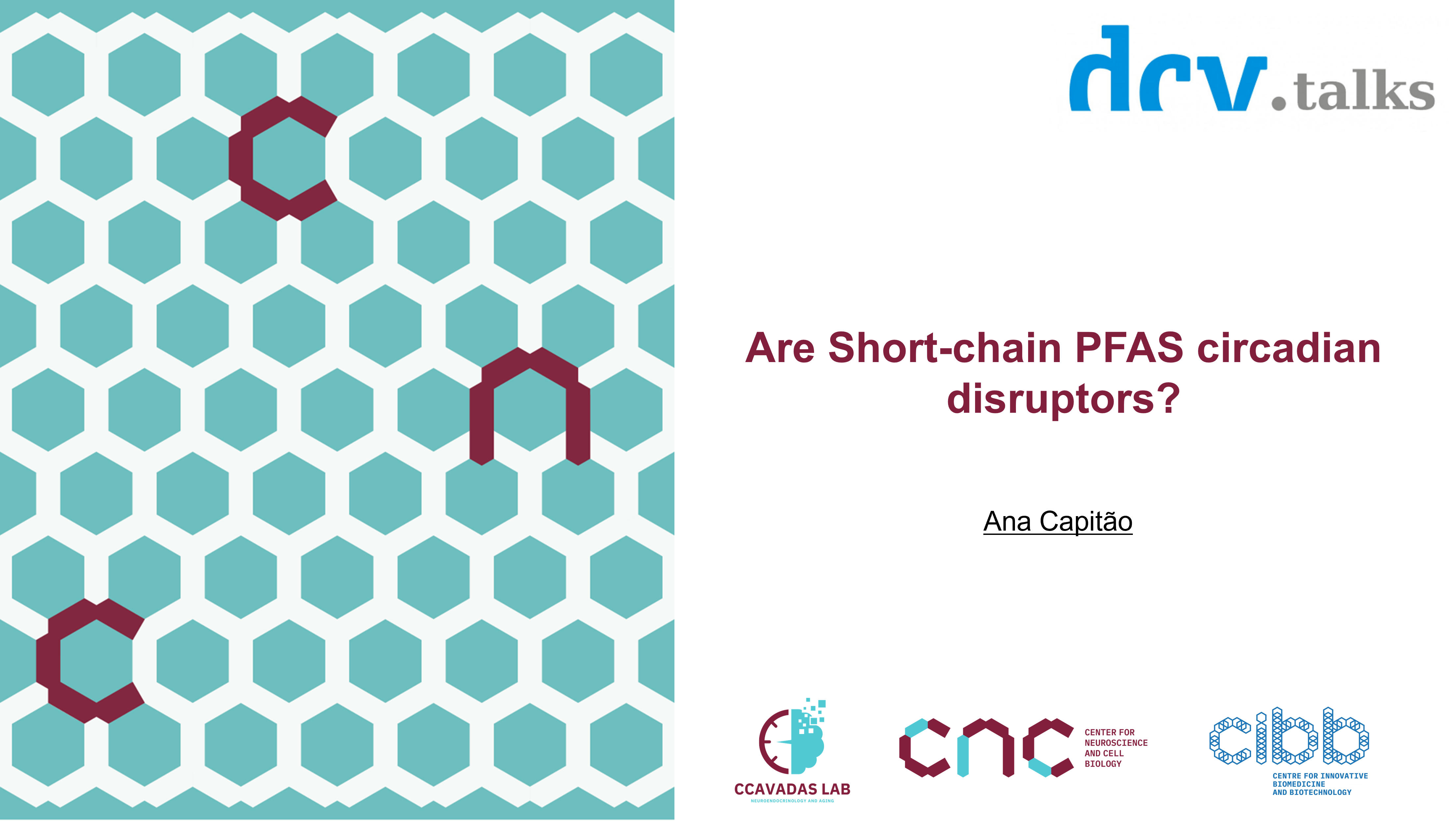
Oral communication
dcv.talks
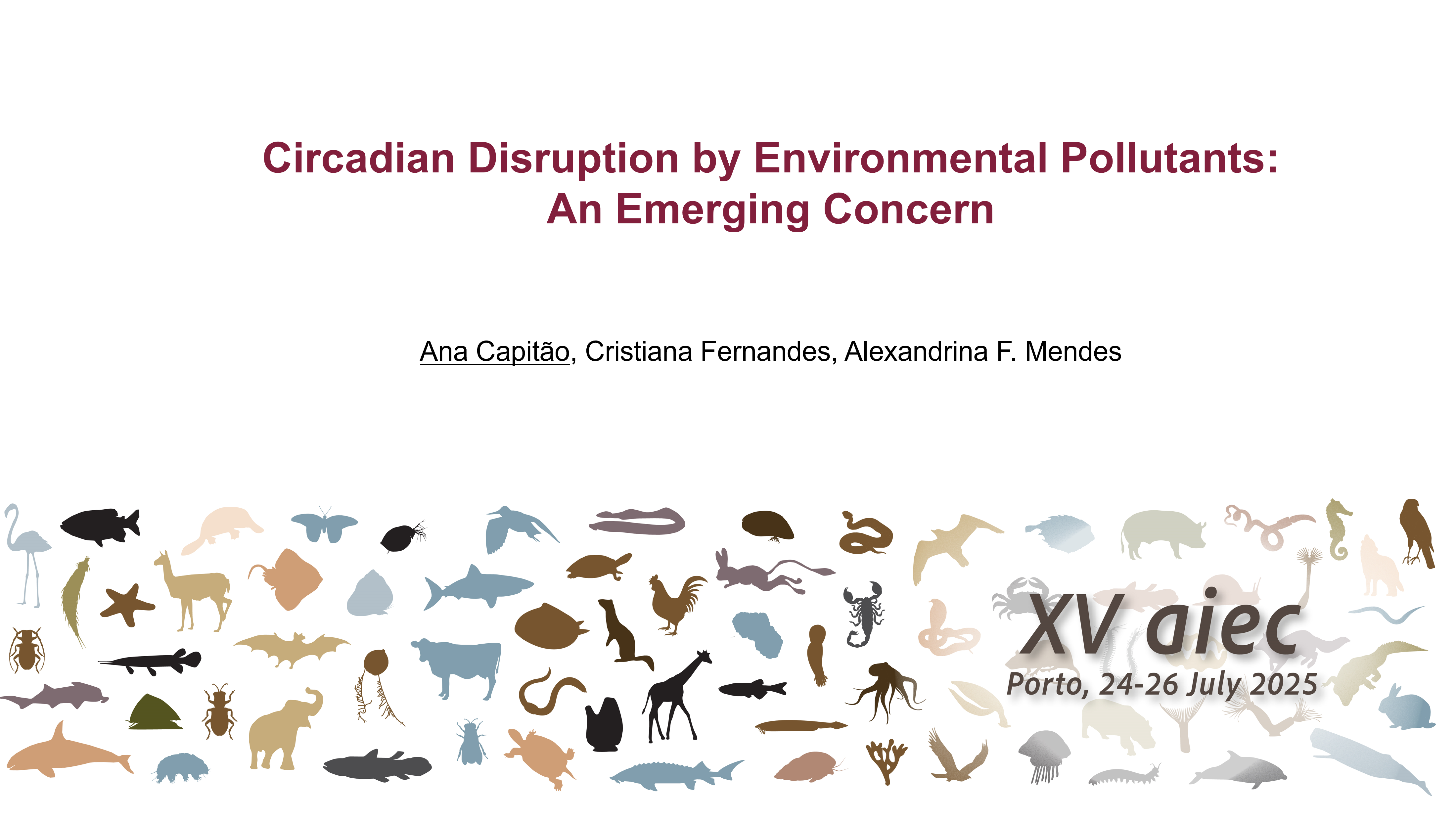
Oral communication
AIEC 2025
XV Congress of the Iberian Association of Comparative Endocrinology (AIEC)
Science for kids



This work is financed by National Funds through the FCT (Fundação para a Ciência e Tecnologia), under UID/04539: Center for Neuroscience and Cell Biology – Centre for Innovative Biomedicine and Biotechnology in the scope of the project SPARK – 2023.12355.PEX (https://doi.org/10.54499/2023.12355.PEX), and the European Social Fund through the Human Capital Operational Programme and Portuguese national funds via FCT under DOI: 10.54499/2021.02220.CEECIND/CP1656/CT0008.